
Universal Thread High-Rise Skinny Jeans Waistband Gapping at the Back? Here's How to Fix Loose Fit and Prevent Sliding
That annoying gap at the back of your jeans—where the waistband pulls away from your lower back when you sit or bend—is one of the most common fit complaints we hear about high-rise skinny styles. It’s not a sign your jeans are defective or the wrong size; it’s usually a mismatch between the jean’s cut and your unique hip-to-waist ratio.
We designed our women’s high-rise skinny jeans with contoured waistbands to minimize this issue, but body shapes vary widely and even the best-fitting pair can gap if your waist is more than four inches smaller than your hips. The good news: a jeans waistband gapping fix doesn’t require a tailor in most cases. This guide walks through exactly why gapping happens, how to adjust fit on your own, and what alterations actually work when DIY methods fall short.
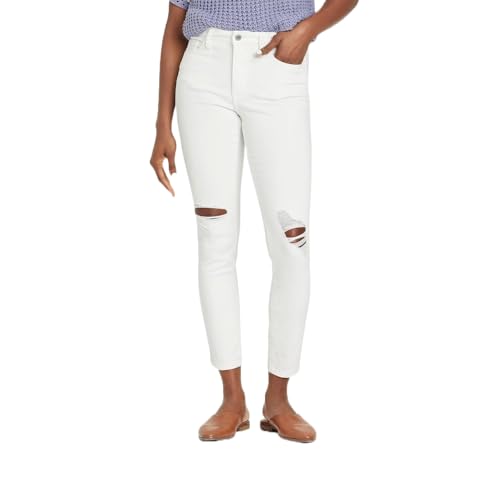
Why High-Rise Skinny Jeans Gap at the Back—and Which Body Shapes See It Most
Gapping occurs when the waistband’s circumference is correct for your hips but too large for your natural waist. High-rise styles sit at or above the belly button, which is often the narrowest point of your torso—so any jean cut to fit your hips will have extra fabric there unless the pattern includes a built-in curve.
This shows up most often on athletic or pear-shaped bodies where hips measure 10+ inches larger than the waist. If you wear a size 6 based on your hip measurement but your waist would fit a size 2, that four-size difference translates directly into the gap you see when you sit down. Hourglass figures and postpartum bodies also experience this because the waist dips inward sharply compared to the hip shelf.
Fabric and Rise Height Matter
Stretchy denim with high spandex content (4% or more) will gap more than rigid cotton because the fabric gives around your hips but doesn’t spring back snugly at the waist. A 10.5-inch rise hits right at the natural waist on most bodies, which is where the gap becomes visible—mid-rise styles (9 inches) sit lower and often avoid the problem entirely but sacrifice the smoothing effect you bought high-rise jeans for in the first place.
Immediate Fixes You Can Try at Home Without Sewing
The fastest jeans waistband gapping fix is a friction belt or elastic waistband adjuster. These grip the inside of the waistband and hold it closer to your body—Target and Amazon sell them as “no-slip belt clips” or “jean button extenders in reverse.” Thread the adjuster through your belt loops at the back and cinch it until the waistband sits flush against your lower back.
A regular belt pulled tight works too, but it often creates bunching at the front and sides. If you’re going this route, use a thin leather or canvas belt (not a wide statement belt) and wear it one notch tighter than feels comfortable when you’re standing—it’ll relax to the right tension once you sit.
The Rolled-Waistband Hack
Some wearers fold the waistband inward once at the back before buttoning, creating a temporary dart that takes in about an inch of fabric. This only works if the gap is minor (less than two inches) and you’re okay with a slightly uneven waistline under fitted tops. The fold will shift throughout the day and needs adjusting after you use the restroom.
When to Take in the Waistband—and What a Tailor Will Actually Do
If the gap exceeds two inches and shows through shirts or causes your jeans to slide down when you walk, a permanent alteration is the better fix. Taking in the waistband costs $15–$25 at most alteration shops and involves removing the waistband, cutting out excess fabric, and reattaching it with the original topstitching intact.
The tailor will ask you to wear the jeans and pinch the excess fabric at the center back while standing naturally. That pinch becomes a dart or a tapered seam depending on how much needs to come out. Expect to lose one to two inches in total circumference—any more than that and you’re better off sizing down and having the hips let out instead (a more complex job that runs $30–$40).
DIY Waistband Darts for Confident Sewers
If you own a sewing machine and feel comfortable with denim, you can add darts yourself. Mark two points about three inches apart on either side of the center back seam, pinch the fabric inward to close the gap, and stitch a triangular dart from the waistband down about two inches. Use a denim needle and topstitch thread to match the original stitching color. This method works best on jeans without back pockets that would end up sitting askew after the darts pull fabric inward.

Preventing Gapping When You're Shopping for Your Next Pair
Look for jeans explicitly labeled “curvy fit” or “contoured waistband”—these are cut with a smaller waist relative to the hip measurement and often eliminate gapping entirely. Our design team builds a two-inch difference into the waist-to-hip ratio on curvy styles compared to our standard high-rise cut, which translates to about half the gapping on bodies with pronounced curves.
Try sizing down one size and checking whether the hips still fit comfortably. If the jeans button easily around your hips but feel snug at the waist, that’s actually the fit you want—denim stretches about half a size with wear, and a waistband that feels slightly firm when new will relax to perfect after a few hours. If you can’t button them at all or the hip seams pull horizontally, stay with your usual size and plan for an alteration.
Rigid Denim vs. Stretch
Non-stretch or low-stretch denim (0–2% spandex) holds its shape better and won’t gap as much over time. The trade-off is less give when you sit or squat, which some wearers find restrictive. If you’re choosing between two pairs and one has 1% spandex while the other has 5%, the lower-stretch option will gap less but require a more precise size match from the start. Many customers shifting from high-rise skinny styles to wide-leg cuts find the relaxed hip room in sailor or barrel fits reduces waistband stress entirely without sacrificing the high-rise silhouette.

What Doesn't Work—and Why You'll Waste Time Trying It
Safety-pinning the waistband at the back seems like a quick fix but creates a visible pucker under knit tops and the pin will work loose or scratch your skin within an hour. The same goes for binder clips or hair ties looped through belt loops—they’re too bulky and shift position every time you move.
Buying jeans one size smaller and leaving them unbuttoned under a long shirt might hide the problem visually but won’t stop the jeans from sliding down your hips as you walk. Unbuttoned denim also wears out faster at stress points because the fabric isn’t stabilized the way the designer intended.
The "Wear Them Wet" Myth
Some online forums suggest washing your jeans in hot water and wearing them damp to shrink the waistband to your body. This works temporarily on 100% cotton denim but reverses the moment you wash them again, and it does nothing for stretch fabric blends. You’ll end up with jeans that fit differently every week depending on when you last laundered them, which defeats the point of owning a reliable pair.
Finding the Right Fit for Your Shape
Waistband gapping isn’t a flaw in your jeans or your body—it’s a fit mismatch that shows up when standard sizing doesn’t account for your waist-to-hip ratio. The techniques in this guide give you immediate options, from friction clips to tailored darts, depending on how much time and budget you want to invest.
If you’re replacing your current pair, prioritize curvy-fit styles or low-stretch denim to avoid the problem from the start. And if you love the pair you already own, a twenty-dollar alteration will fix the gap permanently and give you jeans that feel custom-made instead of almost-right. The goal is a waistband that stays put without a belt and doesn’t create a bulge under fitted tops—once you have that, high-rise skinnies deliver exactly the sleek silhouette they’re designed for.
Common Questions About High-Rise Skinny Jean Waistband Gapping
Yes—try a friction belt clip or loop a hair elastic through the buttonhole and around the button to tighten the closure by about half an inch. Both methods are removable and won’t damage the jeans. For a more secure hold, wear a thin belt one notch tighter than usual and position the buckle slightly off-center to avoid bulk at the front.
These solutions work best when the gap is minor—under one inch. Anything larger will still show and feel loose even with accessories, at which point a tailor is the more effective route.
Most alteration shops charge between fifteen and twenty-five dollars to take in a waistband, depending on whether they add darts or recut the entire waistband. The job takes about a week unless you pay for rush service.
If the tailor needs to adjust more than two inches, they may recommend taking in the side seams as well, which raises the cost to around forty dollars. Always ask for a quote before leaving your jeans—some shops charge more for dark or coated denim because it’s harder to match thread color.
Your hips and waist have different proportions than the fit model the brand used to create the pattern. Jeans are graded in consistent increments—usually one inch per size—but real bodies don’t scale that evenly. If your hips are a size 8 but your waist is a size 4, the jeans will fit where they’re supposed to stretch but hang loose where they’re supposed to grip.
This is especially common in high-rise styles because they sit at the natural waist, which is often the narrowest point on your torso. Mid-rise jeans sit lower and might skip that narrow spot entirely, which is why you may not have noticed gapping in other cuts.
Only temporarily, and only if your jeans are 100% cotton with no stretch fibers. Hot water shrinks natural fibers but the effect reverses when you wash them again—so you’d need to repeat the process every single time you launder them.
Jeans with spandex or elastane won’t shrink meaningfully from heat. The elastic fibers are designed to return to their original shape, which means the waistband will gap again as soon as the fabric cools and dries.
Only if the smaller size still buttons comfortably around your hips without pulling or creating horizontal stress lines at the pockets. Try the jeans on and sit down, squat, and walk around the fitting room—if the hips feel restrictive or the fabric digs in, the smaller size won’t work even if the waist fits better.
Denim stretches about half a size with wear, so a waistband that feels slightly snug when new often relaxes to perfect after a few hours. If you’re between sizes and one fits your hips while the other fits your waist, choose the hip fit and plan for a simple waistband alteration.
Curvy-fit jeans are cut with a smaller waist relative to the hip measurement—typically a two-to-three-inch difference compared to standard fits. This matches the proportions of bodies with pronounced curves and often eliminates gapping entirely without any alterations.
The term isn’t regulated, so some brands use it loosely. Look for specific measurements in the size chart: if the waist-to-hip ratio is narrower than the brand’s regular fit, it’s a true curvy cut. If the measurements are identical and only the label changed, it’s marketing.